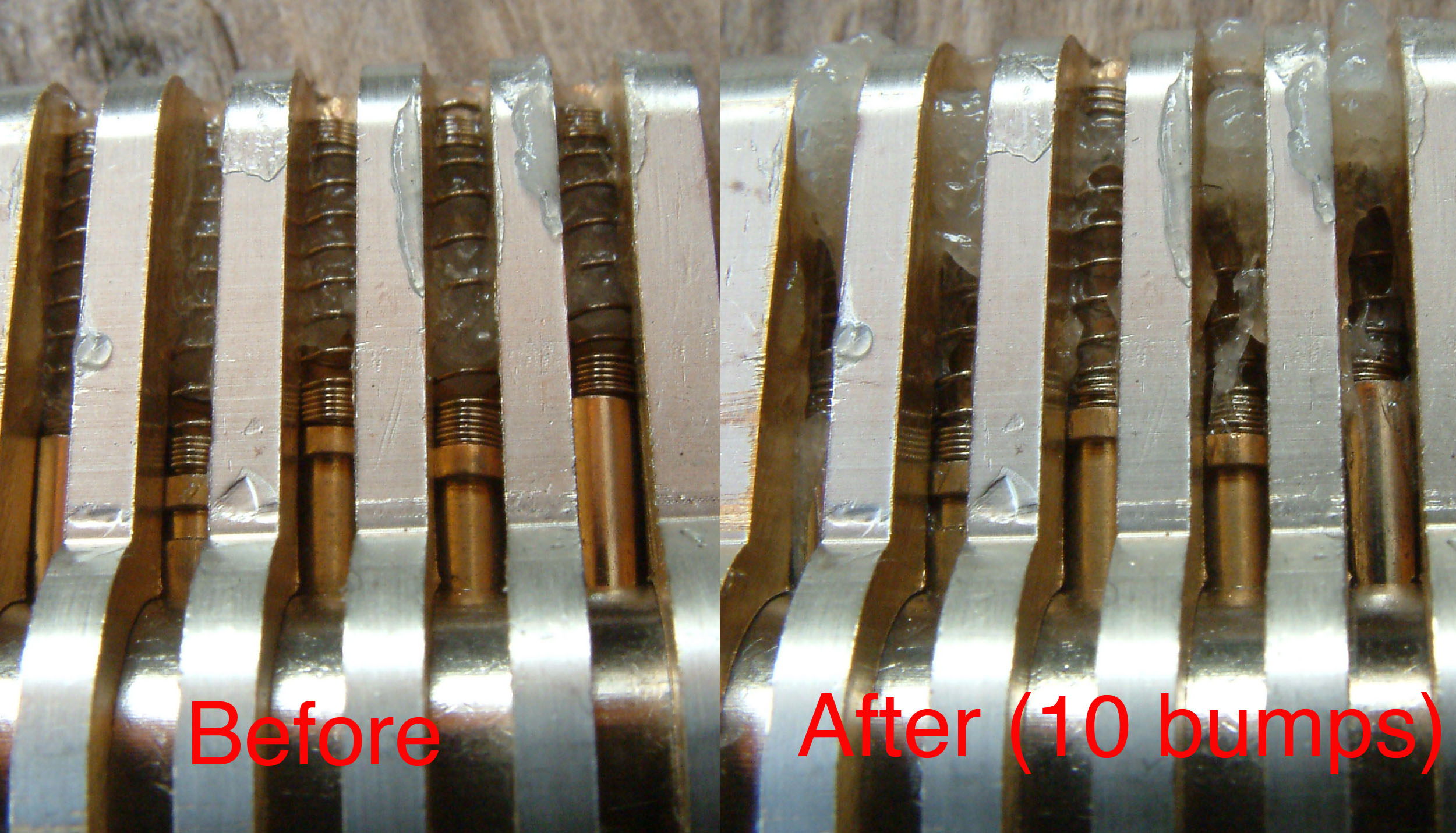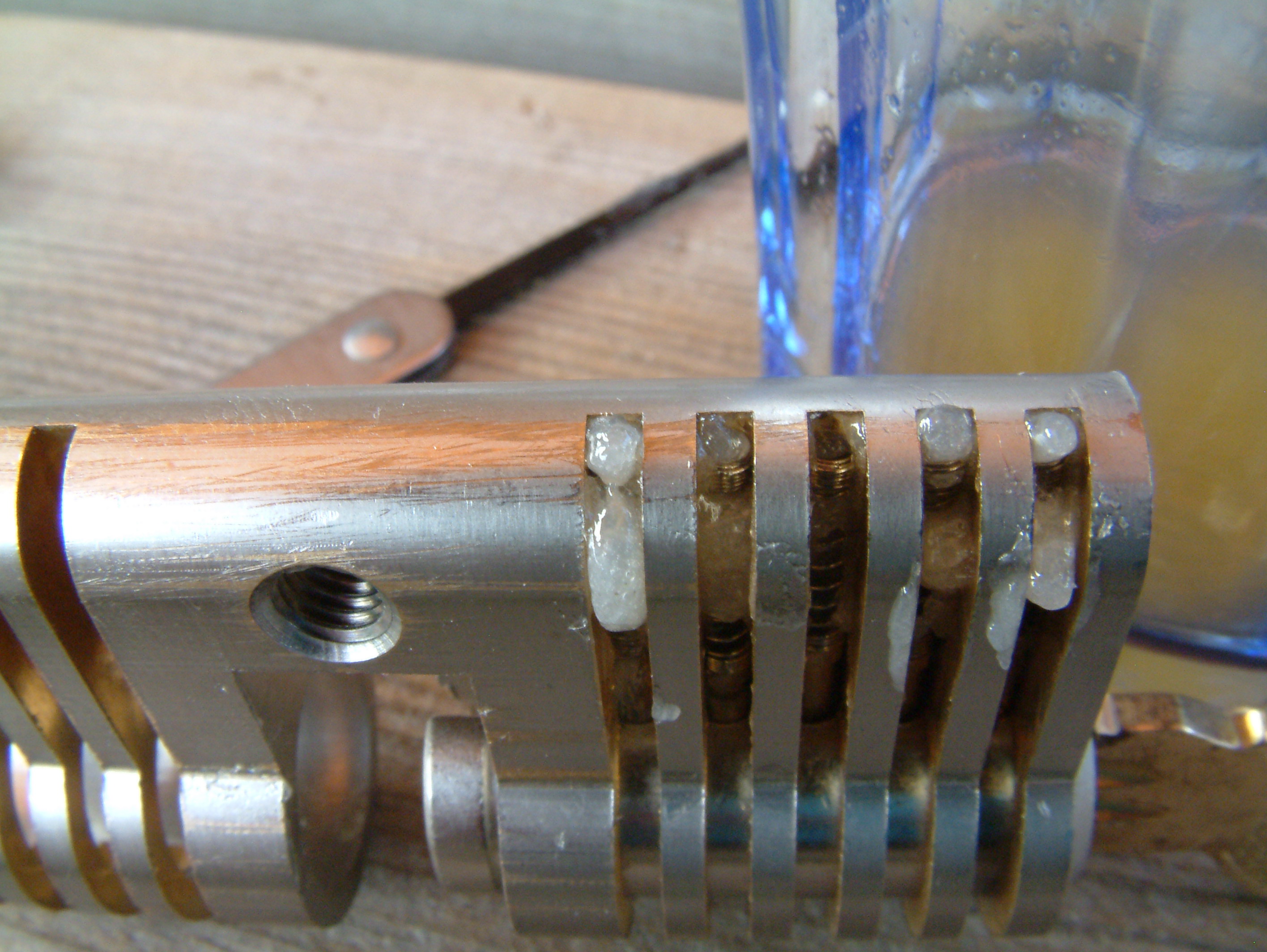
For a long time Han and I are doing tests for various lock manufacturers. At the beginning, most of the requests were concerns if the ‘bump proof’ pins they came up with were really bump proof. And most of the time they were not.
On average it took three rounds of testing (and back to the drawing board) before we could not bump open the lock anymore. In some instances we supported the manufacturer with some technical advice to really make the lock bump proof (or highly bump-resistant).
And of course we have been thinking about designing our own bump-proof pin. We labeled it ‘the search for the golden pin’.
In our view, the golden pin has to have (at least) the following properties:
1) Prevent bumping one hundred percent (bump-proof, must withstand ‘advanced bumping’)
2) If possible, make other kind of attacks more difficult (like picking, impressioning and decoding)
3) The solution must contain not too many parts and must be easy to manufacture
4) Easy to Add to a classic 5 pin tumbler lock without modifying the core or house (too much)
5) If possible the ‘golden pin’ must be implementable in dimple and or other pin-tumbler style locks
6) Free of patents
Han and I have been partly successful in this search. And still we are having new ideas and brainstorm/try out sessions on a regular basis.
But ever since our trip to Vienna, our way of looking at the problem has changed.
We learned that if you ever want to have your invention implemented by a lock manufacturer, stop searching for a ‘golden pin’, and start searching for a ‘golden key’!
That is right, lock manufacturers are under constant pressure to come up with new patents on keys. A ‘patented key’ is required in all serious projects, and when a patent is ‘end of life’, so is the commercial success of the lock. Or actually a couple of years before the expiration of the patent (after all, who wants to buy something that will lose it’s ‘copy protection’ in three of four years?).
In a way it is a very healthy system. It keeps lock companies innovative. They can not just design a lock once and live of that design for ever. It forces them to keep investing in engineering.
The flip side it that great locking systems all of a sudden become ‘worthless’ because of the patent expiration. And in some instances that is not fair if you look at the level of security the lock and keys are still providing.
Looking at our mailbox, we are not the only ones looking for the golden pin….
A couple of times per month we receive mail from people who came up with pins or solutions against bumping. In almost all cases the six above properties are not met.
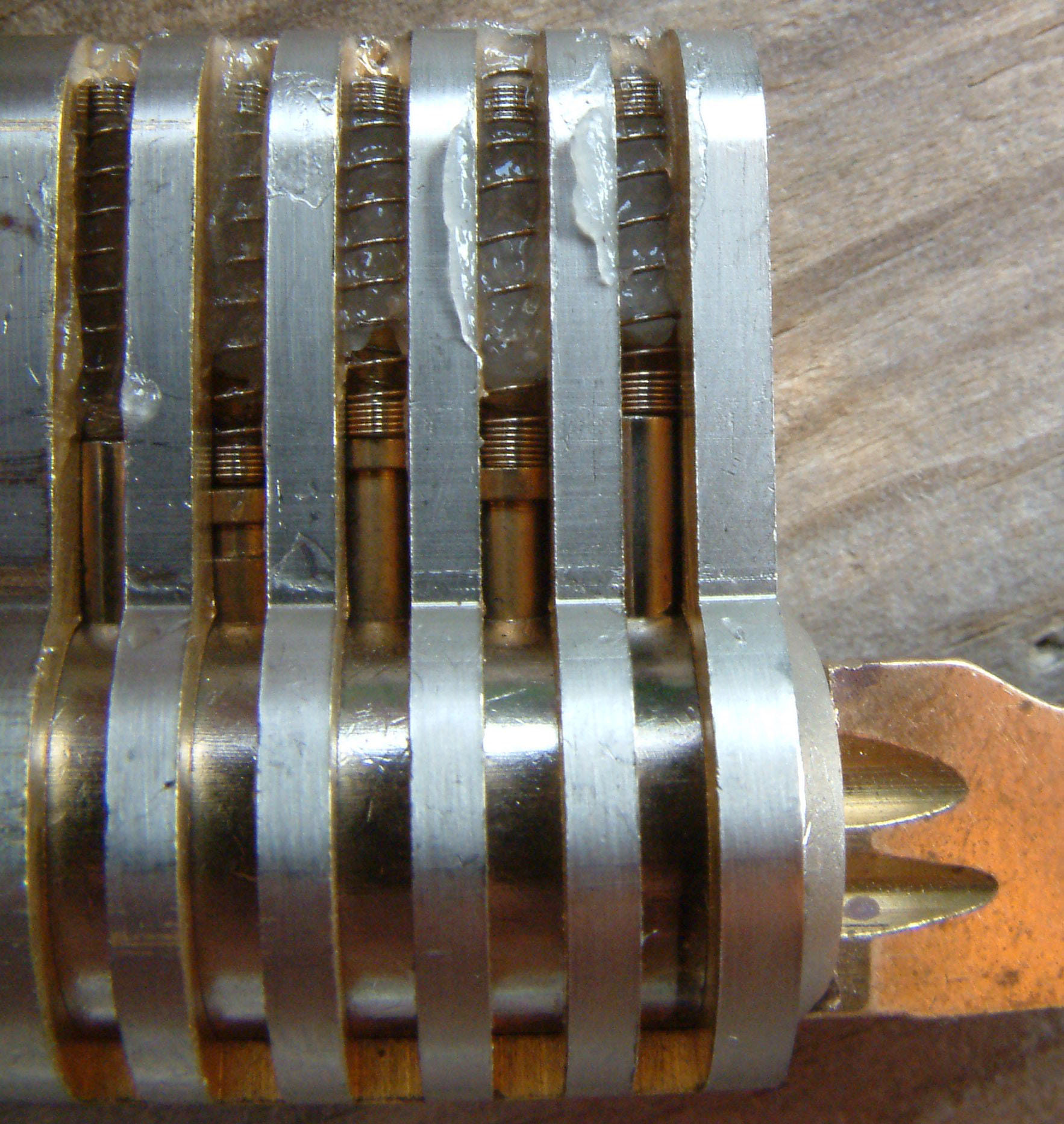
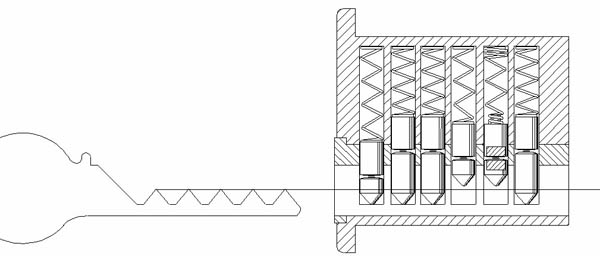
One of the last mails I recently received was from a gentleman called Ian Cecil from Australia. His invention is somewhat smart and makes use of the ‘floating pin’ principle. With that I mean that one of the pins is not reaching the ‘9’ position. We have first seen this solution in CES locks where they simply did not drill the hole in the plug all the way. And other floating pins can be found in systems like GeGe Pextra, Nemef and Master padlocks.
But before I take you to all the solutions we found in various locks, back to Ian:
Ian cam up with the following idea: Use a short spring that is connected to the ‘stopper plug’ and the ‘bottom pin’. And the bottom pin is by magnetic force attracting the top pin. If you keep the top pin small (0-3), the bump key can not make contact and obviously does not work. As I said, a nice invention but far from ‘bump proof’. The lock can still be opened by ‘advanced bumping’.
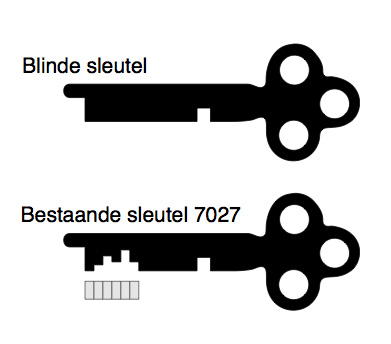
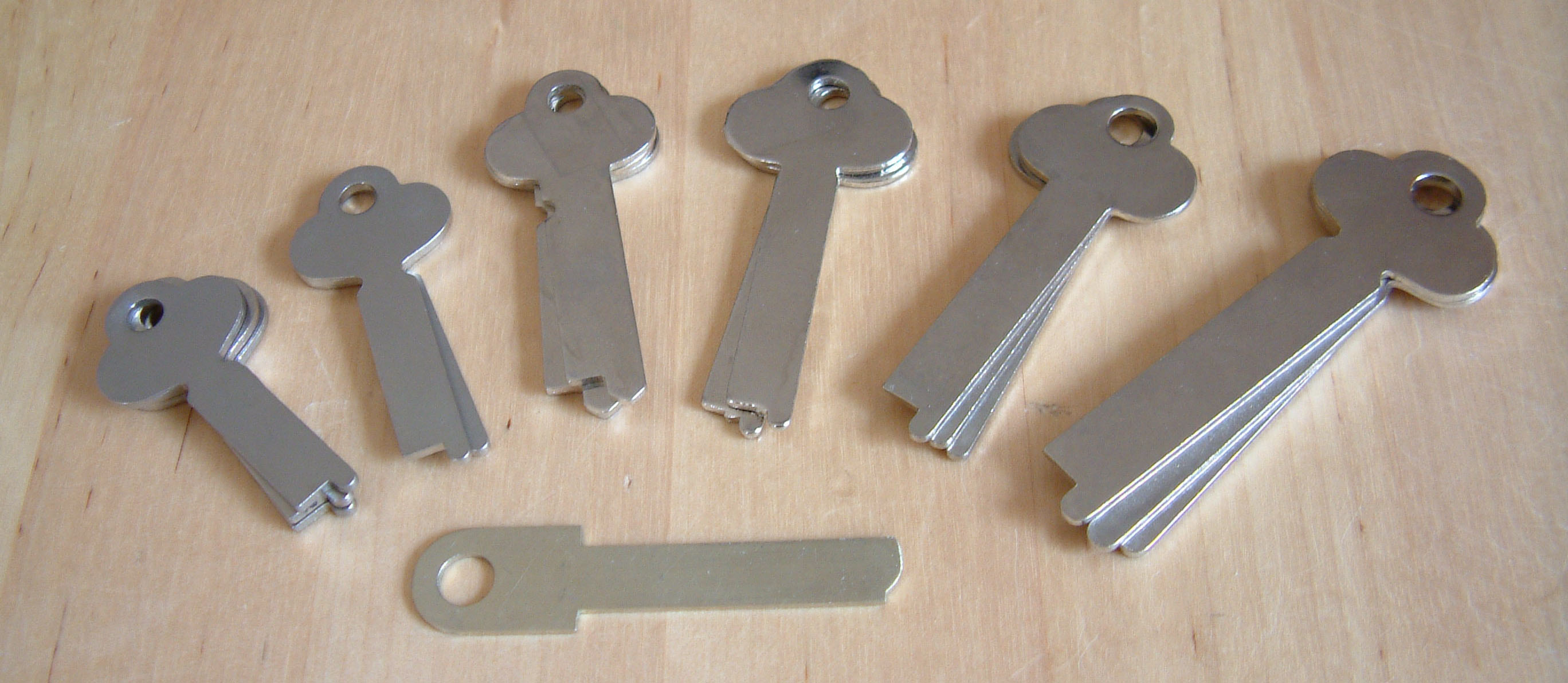
How does advanced bumping works? If I know there is a floating pin inside a lock, all that is required is a set of probe keys to determine the position and minimum depth of the floating pin. And once that info is decoded all I need to do is cut a 99949 key and open the lock.
Still, Ian makes a lot of sense on his website and shows he does know what he is talking about. Who knows, maybe he will come up with a ‘golden key’ one day ….